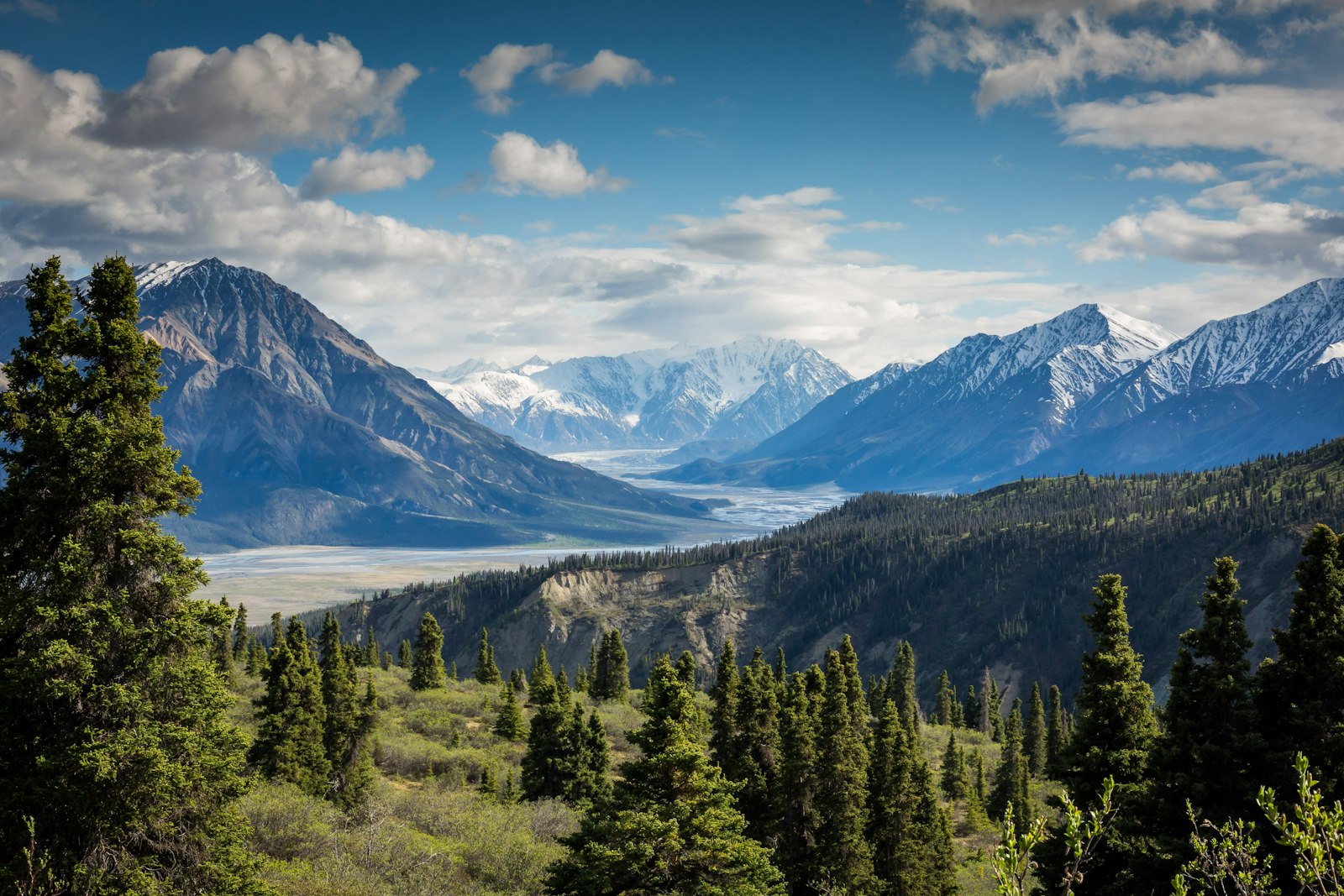
Canada is the second-largest country on Earth, and yet most visitors see the same handful of highlights — Niagara Falls, Banff, and the CN Tower. What the tourism brochures don't show you is a country layered with extraordinary hidden places: wild coastlines, ancient rainforests, jade-coloured lakes, and ghost towns that whisper history. This guide uncovers 50 of the best.
After years of exploring every corner of this magnificent country, we've compiled the definitive list of Canada's most remarkable off-the-beaten-path destinations. These are spots locals cherish and visitors rarely find — places that will make you catch your breath and reach for your camera. For detailed trip planning across these regions, TripPlannerPro is an excellent resource to organize your itinerary province by province.
British Columbia's Forgotten Corners
British Columbia's fame rests on Vancouver, Whistler, and Banff's western approaches — but the province hides a staggering array of lesser-known wonders.
Haida Gwaii Archipelago
Once called the Galapagos of the North, Haida Gwaii is a chain of islands wrapped in old-growth temperate rainforest, surrounded by waters teeming with whales, eagles, and sea lions. The ancient Haida totem poles at SGang Gwaay (Anthony Island) are a UNESCO World Heritage Site rarely visited outside organized Haida Nation tours. The silence here is primordial.
- Fly from Vancouver to Masset or Sandspit (1.5 hrs)
- Ferry from Prince Rupert (7 hours, BC Ferries)
- Best June–September; book accommodation far in advance
Cathedral Grove — MacMillan Provincial Park
Drive Highway 4 across Vancouver Island and you'll pass through a cathedral of ancient Douglas firs some 800 years old, their trunks wider than a car. Cathedral Grove is technically well-known but underappreciated — most visitors stop for 20 minutes. Stay for two hours and walk the lesser-used trails where the silence is total and the light filters green and gold.
- Dawn visits in October–November for fog through the canopy
- Free admission, open year-round
- Combine with a visit to nearby Kennedy Lake viewpoint
Gwaii Haanas National Park Reserve
Accessible only by small boat or floatplane and requiring a mandatory visitor orientation, Gwaii Haanas protects one of the world's most intact temperate rainforest ecosystems. Sea otter colonies frolic offshore while black bears dig for clams on the beach. Only 2,000 visitors per year witness this.
Kootenay Lake's East Shore
While tourists flock to the Okanagan's vineyards, the east shore of Kootenay Lake offers hot springs, art galleries in converted barns, and 140-km views of snow-capped peaks across the water. The town of Kaslo feels frozen in Victorian elegance. Nearby, Ainsworth Hot Springs cave pools are unlike any spa in the country.
Skookumchuck Narrows
Twice daily, 200 billion gallons of seawater squeeze through a narrow channel at Skookumchuck Narrows, creating Class 4 rapids in the middle of the ocean. Kayakers surf the standing waves while harbour seals ride the current in circles. The 4-km trail through old-growth forest to reach the viewpoint is an adventure in itself.
Alberta Beyond the Rockies
Alberta's national parks receive millions of visitors annually — but the province has extraordinary places that see only a fraction of that traffic.
Writing-on-Stone Provincial Park
On the otherwise flat prairies, hoodoos rise from the earth like alien architecture, covered in thousands of years of Blackfoot petroglyphs and pictographs. Writing-on-Stone (Áísínai'pi) is a UNESCO World Heritage Site and one of Canada's most profound spiritual landscapes. Night skies here are among the darkest in Canada — truly extraordinary stargazing territory.
- Guided tours required to access the archaeological zone
- Summer evenings for wildflower prairie walks
- Camping available — stay overnight for the Milky Way
Abraham Lake in Winter
Abraham Lake is Canada's largest artificial lake — and in January and February, it becomes a natural art installation. Methane gas bubbles freeze inside the turquoise ice, creating ethereal disc formations visible through the surface. This phenomenon draws photographers from around the world, yet the lake sees only a fraction of Banff's crowds.
Dinosaur Provincial Park
In a canyon badlands landscape that feels like Mars painted in ochre and rust, Dinosaur Provincial Park has yielded more than 40 dinosaur species — more than anywhere else on Earth. Walk the canyon floor where massive theropod footprints sink into the mudstone and tyrannosaur bones still erode from the canyon walls.
Maligne Canyon in Winter
In summer Maligne Canyon is a popular hike — in January, it transforms into a frozen underworld. Guided ice walks take you beneath frozen waterfalls seven storeys tall, past blue ice walls and into caverns that echo with dripping snowmelt. This is one of Canada's truly unmissable winter experiences. For full itinerary ideas through Jasper, see the national parks guide on Travel Canada Planner.
Nordegg Ghost Town
A coal mining town built for thousands of workers, Nordegg was abandoned in 1955 and remains largely intact — a perfectly preserved window into early 20th-century industrial Alberta. Briquette plants, workers' houses, and the company store stand quietly in the foothills, watched over by ravens.
Ontario's Secret Landscapes
Ontario is Canada's most populous province, yet it conceals wilderness and geological wonders that most Canadians have never heard of.
Flowerpot Island — Fathom Five National Marine Park
Accessible only by water taxi from Tobermory, Flowerpot Island takes its name from the extraordinary limestone sea stacks that rise from Georgian Bay like giant plant pots. The surrounding waters are so clear you can see 27 shipwrecks from above. Cave snorkelling, sea kayaking, and lighthouse hikes make this one of Ontario's most underrated day trips.
Ouimet Canyon
Ouimet Canyon is a massive geological rift — 2 km long, 150 metres wide, and 100 metres deep. The canyon floor never thaws due to trapped cold air, creating a subarctic microclimate where arctic plants grow at the same latitude as southern France. The canyon rim trail offers vertigo-inducing views with essentially no crowds.
The Crack — Killarney Provincial Park
A hike through Canada's "Crown Jewel of Ontario" leads to the La Cloche silica quartzite ridges, dazzling white against the cobalt Georgian Bay. The Crack trail climbs through a split in the white quartz ridge to deliver a panorama of turquoise lakes and white peaks stretching to the horizon. Tom Thomson and the Group of Seven painted this landscape.
Presqu'ile Provincial Park's Marsh
A peninsula jutting into Lake Ontario, Presqu'ile hosts one of the largest concentrations of migrating shorebirds in eastern North America. In spring, the boardwalks through Presqu'ile Marsh are alive with breeding marsh wrens, black terns, and if you're very lucky, the elusive yellow rail. The lighthouse and limestone beaches are an added bonus.
Niagara Escarpment Ice Formations
While tourists crowd into Niagara's tourist strip, the Niagara Escarpment hides dozens of smaller waterfalls that freeze into spectacular pillars and curtains each January. Hilton Falls Conservation Area, Ball's Falls, and Tews Falls transform into ice climbing destinations rivalling anything in Iceland — and cost almost nothing to visit.
Planning a multi-spot road trip through Ontario and Quebec? Use TripPlannerPro to build a custom itinerary with driving times and accommodation suggestions for each stop.
Quebec's Wild Interior
Parc National des Hautes-Gorges-de-la-Rivière-Malbaie
Quebec's answer to the fjords of Norway — the Malbaie River has carved a canyon so deep and dramatic that the walls rise nearly 1,000 metres from the river. A combination of boat tour, hiking, and canyon camping here is among the most dramatic experiences in eastern Canada. UNESCO has recognized the Charlevoix region as a World Biosphere Reserve.
Île Bonaventure and Percé Rock
Percé Rock is one of Canada's most photographed geological wonders — a 150-metre-long limestone monolith rising from the Gulf of St. Lawrence. But the real treasure is Île Bonaventure, reached by boat, where 60,000 northern gannets nest in the world's most accessible gannet colony. The smell and sound are overwhelming in the best possible way.
Forillon National Park
The Gaspé Peninsula ends in a flourish of sea cliffs, lighthouse, and whale-filled waters at Forillon. Belugas, minkes, and fin whales feed offshore, while black bears forage on the beach. The hiking here is spectacular and it receives less than 3% of Banff's visitor numbers.
Fjord-du-Saguenay National Park
The Saguenay Fjord is among the world's southernmost fjords — a 100-km canyon of black rock plunging 270 metres below the waterline. Beluga whale nurseries hide in the freshwater mixing zone at the fjord's mouth. Kayaking the fjord beneath 300-metre cliffs is transformative. Combine this with nearby Chicoutimi for an ideal Quebec road trip.
Parc des Chutes-Monte-à-Peine-et-des-Dalles
A network of wooden footbridges carries visitors through a gorge of seven waterfalls in Lanaudière — one of Quebec's most scenic but least-visited provincial parks. The cascades reach 30 metres and the hanging bridges provide perspectives unavailable anywhere else in the province.
Atlantic Canada's Coastal Secrets
Cape St. Mary's Ecological Reserve
A narrow headland leads to Bird Rock — a sea stack separated from the mainland by a 100-metre chasm, covered in 24,000 northern gannets. In June, the noise is deafening, the smell is powerful, and the spectacle is among the most extraordinary wildlife encounters in North America. The scale is humbling. Access is free, the location is remote, and it is perfect.
Tablelands — Gros Morne National Park
The orange-brown moonscape of the Tablelands is one of Canada's most striking geological anomalies — the exposed mantle of the Earth's crust, forced to the surface 500 million years ago. The terrain is so toxic to normal plant life that only rare species adapted to heavy metals survive here. Walking across it feels genuinely alien.
Balancing Rock — Long Island, Nova Scotia
A 1.5-km trail through coastal forest leads to a basalt column balanced on its narrowest point above the Bay of Fundy — a geological formation locals call Balancing Rock. The Bay of Fundy tides rise and fall 16 metres twice daily around this monolith, making the timing of your visit crucial and spectacular.
Hopewell Rocks at Minus Tide
Hopewell Rocks appears in every tourism brochure — but the secret is visiting at lowest tide, when the ocean floor lies exposed for 2 kilometres and you walk through corridors of flowerpot rock formations that are normally submerged. Most visitors arrive mid-tide. Arrive at the lowest ebb and you'll have this otherworldly landscape to yourself.
Kejimkujik National Park's Dark Sky Preserve
Kejimkujik (Keji) was designated one of Canada's first International Dark Sky Preserves, and its combination of star-filled night skies with Mi'kmaw cultural history is deeply moving. Canoe the interconnected lake system by day and watch the Milky Way reflected in the water at night. Fall, when the crowds have gone, is the finest time to visit.
Prairie Surprises
Cypress Hills Interprovincial Park
An island of lodgepole pine forest rising from the Great Plains — Cypress Hills is a biological island that was never glaciated, preserving pre-Ice Age plant and animal species. Pronghorn antelope and mule deer graze alongside elk, while the plateau offers Dark Sky Preserve designation and some of the clearest night skies in Canada.
Churchill, Manitoba — Where Bears and Beluga Whales Meet
Churchill sits at the junction of tundra, boreal forest, and Hudson Bay — making it the only place on Earth where you can see polar bears, beluga whales, and northern lights in the same trip. October and November bring the polar bears; July brings 57,000 beluga whales to the Churchill River estuary.
Last Mountain Lake Bird Observatory
Canada's oldest bird sanctuary protects migratory stopover habitat for up to 500,000 sandhill cranes in September — one of the largest crane migrations in the world. The cranes fill the sky in golden hour with a sound like distant thunder. This is one of the great natural spectacles of the continent.
Grasslands National Park
Canada's only badlands ecosystem protects the last unbroken expanse of mixed-grass prairie on Earth — a landscape of coulees, fossil beds, and immense sky. Prairie dog colonies, burrowing owls, and black-footed ferrets (reintroduced and thriving) make Grasslands one of Canada's most important — and most overlooked — national parks.
Riding Mountain National Park
A Manitoba escarpment lifts the landscape 470 metres above the plains, creating an ecological island of boreal forest, mixed forest, and fescue prairie. Bison herds roam freely in a dedicated enclosure; Clear Lake is warm enough for summer swimming; and the 1920s resort town of Wasagaming has an old-fashioned charm that feels genuinely unaltered.
Canada's True North
Nahanni National Park Reserve
Virginia Falls in Nahanni is twice the height of Niagara and 10 times less visited. The South Nahanni River cuts through four immense canyons as it descends from the Mackenzie Mountains — an epic canoe journey for experienced paddlers, or a dramatic floatplane overview for everyone else. This was one of Canada's first UNESCO World Heritage Sites.
Tombstone Territorial Park
The jagged black peaks of the Tombstone Range rise above the Dempster Highway north of Dawson City — a dramatic landscape of permafrost valleys, grizzly bears, and caribou migrations. The Grizzly Lake hike is among the finest alpine hikes in Canada. Autumn, when the tundra burns red and gold, is extraordinary.
Ivvavik National Park
Canada's most remote national park is accessible only by small aircraft from Inuvik. Caribou herds 197,000 strong migrate through the park annually — one of the last great wildlife migrations on Earth. The park has no facilities, no trails, and no visitor infrastructure. This is raw wilderness at its most absolute.
Kluane National Park's Icefields
Kluane protects the largest non-polar icefield system in the world — 200 glaciers covering an area the size of Switzerland. Mount Logan, Canada's highest peak, dominates the park. Most visitors see Kluane from the highway; the real experience requires a small plane or a week-long ski traverse across the icefields.
Neys Provincial Park
One of Canada's least-visited provincial parks sits on the north shore of Lake Superior — a landscape so wild that it served as a WWII prisoner-of-war camp because escape was impossible. The massive sandy beach faces an inland sea that looks like the ocean; caribou graze the headland; and the Trans-Canada Highway rumbles by just far enough away to be invisible.
Gems 36 Through 50
The final fifteen hidden gems span every corner of Canada — from the sub-tropical shores of southern Ontario to the iceberg-dotted coasts of Labrador.
Torngat Mountains National Park
The Torngat Mountains rise from the Labrador Sea in Labrador's northernmost extremity — a landscape of 1,500-metre peaks, polar bears, and Inuit spiritual tradition. A base camp operated in partnership with the Inuit community offers guided wilderness experiences at the edge of the world. This is Canada at its most ancient and raw.
Brier Island, Nova Scotia
At the tip of Digby Neck, Brier Island sits at the meeting point of the Bay of Fundy and the Atlantic Ocean — a collision of currents that creates one of the world's best whale-watching locations. Fin, humpback, and right whales feed just kilometres offshore while the island's mossy bogs shelter rare orchids and migrating shorebirds by the thousands.
Atlin, British Columbia
Atlin is a tiny Gold Rush–era town accessible via a secondary highway from the Alaska Highway. Atlin Lake is the largest natural lake entirely within BC — 150 km of cobalt blue surrounded by glaciated peaks. The Llewellyn Glacier descends to within hiking distance of town. Fewer than 500 people live here full-time.
Manitoulin Island
The world's largest freshwater island sits in Lake Huron, its 2,700 km of coastline studded with Georgian Bay's famous 30,000 islands. Manitoulin has deep Anishinaabe cultural significance and hosts the world's largest single-day powwow each August. The Swing Bridge at Little Current is the only land connection, swinging open every day at 7 am for passing boats.
Mingan Archipelago National Park Reserve
The Mingan Archipelago is Canada's largest collection of rock monoliths — limestone pillars eroded by the sea into extraordinary shapes rising from the Gulf of St. Lawrence. Blue whales feed in the straits; puffins and razorbills nest on the islands; and the midnight sun in June bathes the monoliths in amber light.
East Sooke Regional Park
A 50-km trail system winds along rocky headlands above the Strait of Juan de Fuca — one of the finest coastal hikes in Canada, yet unknown to most visitors who head straight to Pacific Rim. Tide pools filled with ochre sea stars, eagles circling on updrafts, and views of the Olympic Mountains across the water make this an extraordinary half-day or full day adventure.
Tatshenshini-Alsek Wilderness
The Tatshenshini and Alsek rivers flow through the largest protected wilderness in the world — a UNESCO World Heritage Site shared with Wrangell-St. Elias and Glacier Bay national parks in Alaska. Rafting this river through valleys of advancing glaciers and grizzly-populated shores is the adventure of a lifetime.
Bic National Park
Where the St. Lawrence River widens into an estuary, Bic's rocky headlands and forest-covered islands shelter harbour seals, grey seals, and nesting seabirds. The kayaking through the islands at low tide, with seals hauled out on every rock, is quintessentially Quebec. The campground is among the most beautifully situated in Canada.
Wood Buffalo National Park
Canada's largest national park is bigger than Switzerland and receives fewer than 5,000 visitors per year. It protects the world's largest population of free-roaming bison (about 5,000 animals), the nesting habitat of the whooping crane (an endangered species saved from near-extinction), and the world's largest inland delta — the Peace-Athabasca Delta.
Cape Enrage, New Brunswick
A restored lighthouse station perches above a sea arch on the Bay of Fundy — the tides here rise and fall 14 metres twice daily, the highest tidal range in the world. Rappelling down the sea cliffs at low tide and then watching the ocean floor disappear under 14 metres of water in six hours is genuinely breathtaking. Zip-lining across the cliff face is optional.
Point Pelee National Park
The southernmost tip of Canada's mainland juts into Lake Erie at the same latitude as northern California — and in May, billions of warblers funnel through this narrow peninsula on their way north. Point Pelee's May warbler migration is one of the greatest natural spectacles in North America, drawing birders from around the world to a tiny park few other Canadians have ever visited.
Gwaii Haanas Hot Springs Cove (BC)
Accessible only by boat or floatplane, these geothermal hot springs flow directly into tidal pools on a remote Pacific beach. Soaking in the pools while watching the surf crash on the rocks is an experience available to very few people. The approach voyage through the kelp forests of Juan Perez Sound is spectacular in its own right.
Bon Echo Provincial Park
A 100-metre quartzite cliff rises directly from Mazinaw Lake — Canada's tallest cliff accessible by land. The cliff face contains over 260 Indigenous rock paintings (pictographs) visible from canoes on the lake below. Canoe camping on the islands in the lake beneath this immense wall of rock is an experience etched permanently in memory.
McNabs Island, Halifax Harbour
A 15-minute ferry ride from downtown Halifax delivers you to McNabs Island — a wilderness park in the middle of the harbour with Victorian-era fortifications, apple orchards gone wild, and panoramic views of Halifax. Almost no tourists know it exists. The island is uninhabited and the trails wander through decades of natural succession on what was once a farming community.
Cathedral Lakes Provincial Park
A 21-km approach on a steep 4x4 road (or the resort helicopter) delivers you to the Cathedral Lakes plateau — a high alpine world of turquoise lakes, marmot-filled meadows, and rock formations with names like Smoky the Bear and the Giant Cleft. The lakes change colour by hour and season. This is the BC Rockies without a single tour bus in sight.
Ready to Explore Canada's Hidden Gems?
Discovering these extraordinary places takes planning. Use TripPlannerPro to build custom multi-stop itineraries, and Travel Canada Planner for comprehensive regional guides.
Plan Your Trip with TripPlannerPro See Our Canada Travel GuideHow to Plan Your Hidden Gems Road Trip
The greatest challenge with hidden gems is that they're, well, hidden. Here are the most practical approaches for discovering and visiting these places:
Group by Region
Canada is enormous — trying to see gems from BC, Ontario, and Nova Scotia in one trip is geographically impractical. Cluster your itinerary by province or region. The Atlantic Provinces form a natural 2-week circuit from Moncton through PEI, Cape Breton, and into Newfoundland. BC's coast from Vancouver to Prince Rupert to Haida Gwaii takes at least three weeks to do justice. For a complete planning framework, Travel Canada Planner's complete trip planning guide is an invaluable resource.
Account for Driving Distances
Remote means remote in Canada. Wood Buffalo National Park is 12 hours from Edmonton. The Torngat Mountains require a flight to Goose Bay, then a charter to base camp. Build buffer days into your itinerary and never assume that proximity on a map translates to quick driving.
Reserve Well in Advance
Parks Canada camping reservations open in January for the following summer and sell out within hours for popular parks. Remote operator tours — Churchill bear trips, Haida Gwaii boat tours, Nahanni floatplane packages — book out 6–12 months in advance. Plan further ahead than you think you need to.
Respect Indigenous Land and Culture
Many of Canada's most spectacular hidden gems lie within Indigenous territories. Research protocols before visiting, take guided tours where they're offered, purchase local art and services, and approach all Indigenous cultural sites with deep respect and humility.
Canada's hidden gems reward patience, preparation, and willingness to go the extra mile. The crowds thin dramatically once you step off the standard tourist routes — and the Canada that awaits is extraordinary beyond description.